Our services
Sensory Integration Therapy
Playful, guided sensory activities that help your child feel calmer, safer and more ready to learn.
Sensory Integration Therapy in Tirur
Every day, our senses send us messages about touch, sound, movement, sight and where our body is in space. Most children sort these messages without thinking. For some, the messages feel too strong, too weak or confusing. A gentle touch may feel scratchy, a busy room may feel overwhelming, or a child may keep spinning and climbing to feel settled.
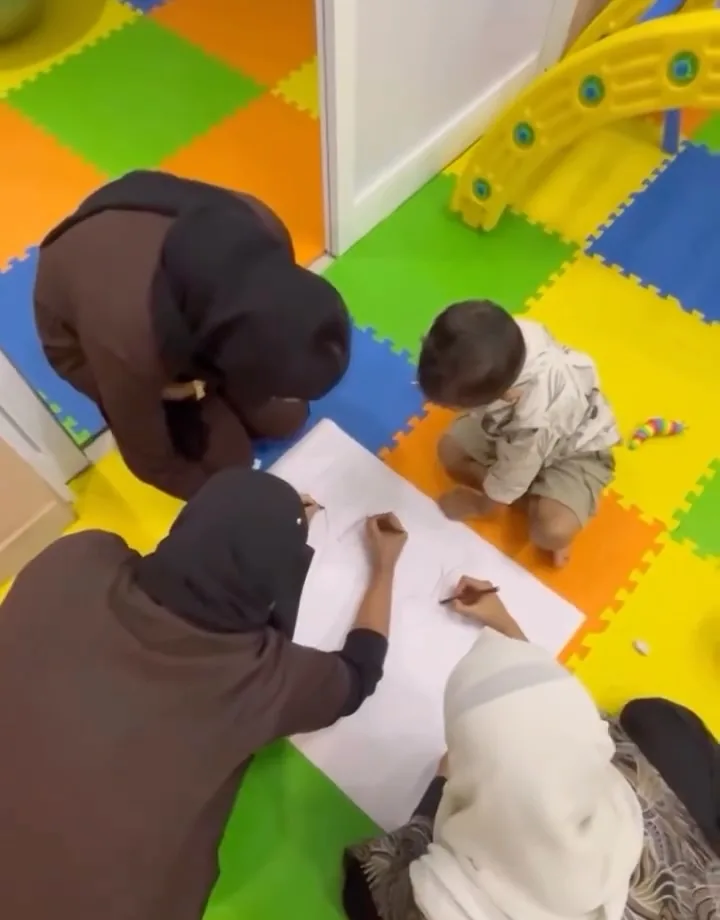
Sensory Integration Therapy uses guided, play-based activities to help your child's brain and body make sense of these messages. At Early Nest in Poongottukulam, Tirur, it is closely linked with our occupational therapy service and forms part of your child's individualised plan. The aim is simple: helping your child feel more comfortable in their body, so that playing, learning and daily routines become a little easier.
What we work on
Areas sensory integration therapy can help with
-
Touch and textures
Helping children who dislike certain clothes, hair washing, messy play or food textures to slowly feel more relaxed with everyday touch.
-
Movement and balance
Movement play, which may include rolling, rocking, balancing or swinging, to help children feel steadier, more confident with movement and more aware of their body.
-
Sounds and busy places
Supporting children who are upset by noise or crowded spaces to cope a little better, and to settle more easily when things feel too much.
-
Body awareness and coordination
Play that helps children sense where their arms and legs are, so they may move with more control and bump into things less often.
-
Calm, focus and attention
Finding activities that help your child settle, so they can sit, listen and take part in play, learning and family routines.
-
Daily routines
Building comfort with everyday tasks such as dressing, eating, brushing teeth and getting ready, which may include ADL (daily living skills) training.
Who it can help
- Sensory processing difficulties
- Autism spectrum disorder
- ADHD and hyperactivity
- Developmental delay / GDD
- Sensitivity to noise, touch or textures
- Restlessness and difficulty settling
- Clumsiness or low body awareness
Signs your child may benefit
- Your child gets very upset by loud sounds, bright lights or crowded places.
- They avoid certain clothes, tags, messy hands or food textures, or find haircuts and bathing very hard.
- They seem to be always on the move, spinning, jumping or crashing into things to feel settled.
- They often seem clumsy, trip easily or are unsure of where their body is.
- They find it hard to calm down after getting upset, or move between being very quiet and very excited.
- Everyday routines like dressing, eating or brushing teeth often lead to distress.
A general guide, not a diagnosis. If you are unsure, an assessment can bring clarity.
How it works
Sensory Integration Therapy at Early Nest
-
Understanding your child
We begin by listening to you and observing your child at play, using structured assessments to understand how they respond to touch, movement, sound and sight.
-
A plan made for your child
We create an individualised plan with clear, practical goals that matter to your family, linked with your child's other therapies at Early Nest when needed.
-
Guided, play-based sessions
Your child takes part in fun sensory activities, gently guided by the therapist, at a pace that feels safe and builds confidence step by step.
-
Support at home
We share simple sensory ideas you can try at home and review progress with you regularly, adjusting the plan as your child grows.
Benefits
What progress can look like
- Your child may feel calmer and more comfortable in everyday places.
- Noisy, busy or crowded places may become easier to manage.
- Body awareness, balance and coordination may gradually improve.
- Your child may find it easier to focus during play and learning.
- Daily routines like dressing and eating may feel less stressful.
- You gain a clearer understanding of your child's sensory needs.
Questions parents ask
What does a sensory integration session look like?
To your child, it mostly looks like play. Activities may include swinging, balancing, climbing, textured play and calming games. Each one is chosen for a reason. The therapist watches closely how your child responds and adjusts things so they feel safe and stay engaged.
Do we need a diagnosis before contacting you?
You can get in touch whenever you have a concern. Often, parents have simply noticed that their child reacts strongly to sounds, textures or movement. An assessment helps us understand your child's needs, and we then talk with you about whether sensory integration, other therapies or a combination may suit them.
Is this only for children with autism?
No. Sensory difficulties are common in children with autism, but they are also seen in children with ADHD, developmental delay and in children with no other diagnosis. Therapy is planned around your child's own sensory needs, not around a label.
How can I help at home?
You play a big part. We will share simple, everyday sensory ideas that fit into your routines, and explain what may be behind your child's reactions. Understanding these needs often helps families feel more confident and makes home life a little calmer for everyone.
Book sensory integration therapy for your child
Book an assessment on WhatsApp in a minute, or call us to talk it through. We’ll confirm a time that suits you.